
Here’s a choice many homeowners regret: picking bright white grout because it looks the cleanest in the showroom. On day one, white joints between white tiles look crisp and seamless. A year later, in a busy Singapore bathroom or kitchen, those same joints can turn patchy and grey from soap residue, cooking splashes and the damp that comes with our humid climate. That’s why many tilers reach for a mid-grey instead, and why your grouting colour deserves as much thought as the tiles themselves.
Why Grey Works So Well on White Tiles
Grey grout does two jobs at once. It frames each tile with a soft outline, which gives a wall a neat, tailored look, and it hides the everyday discolouration that shows up quickly on pure white. In wet areas, where water and soap sit on the joints every day, that forgiving shade can make the difference between grout that looks tired after a few months and grout that still looks intentional years later.
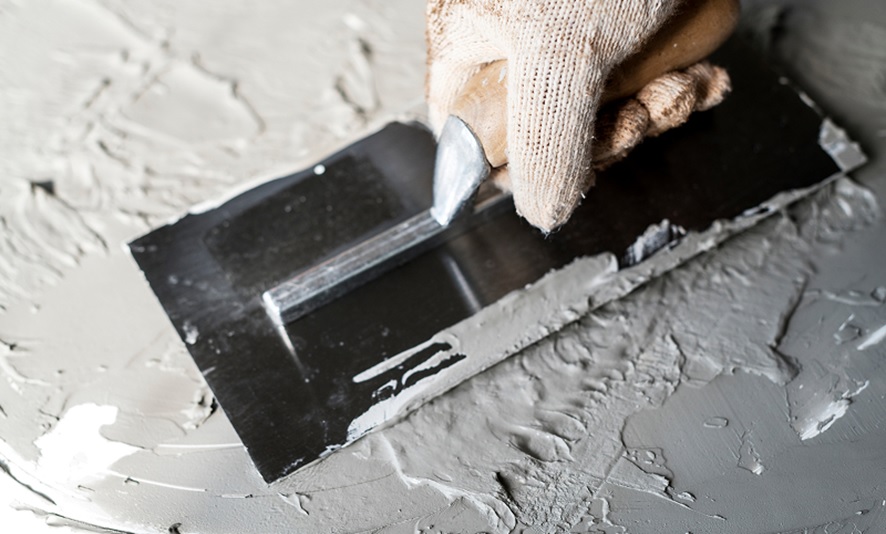
The material matters too. Traditional cement-based grout is porous, so it can absorb moisture and stains over time. Epoxy grout, like the grey compound being pressed into the joints in a typical bathroom job, is far less porous and more resistant to staining, which helps a chosen colour stay closer to how it looked on installation day.
Match, Contrast or Somewhere in Between?
There’s no single correct answer. The right grouting colour depends on the look you want and how much upkeep you’re happy with:
| Approach | The look | Practical trade-off |
| Matching (white on white) | Seamless, minimal surface | Shows stains and discolouration fastest |
| Soft contrast (light or mid-grey) | Subtle outline around each tile | Hides everyday marks while staying understated |
| Strong contrast (charcoal or black) | Bold, graphic grid pattern | Highlights uneven tile lines, so laying must be precise |
| Tone-matched to coloured tiles | Blends with the tile colour | Works well for patterned or textured tiles |
One thing worth knowing: a strong contrast exposes every slightly uneven joint, so it suits carefully laid tiles. A mid-grey is more forgiving if your walls aren’t perfectly straight.
How Colour Fits Into the Grouting Work Itself
Colour decisions don’t stop at a swatch. Good grouting work follows a sequence that protects both the finish and the colour you chose:
- Clean out the joints thoroughly, especially when regrouting, so old residue doesn’t show through or weaken the new grout.
- Test the colour on a small, discreet area first, as grout can look different once cured and dry.
- Mix and apply in manageable batches, particularly with epoxy, which has a limited working time.
- Press the grout firmly into each joint with a rubber float held at an angle.
- Clean the tile faces promptly before residue cures, so no haze dulls the tiles or the colour.
Skipping any of these steps can leave joints patchy or uneven in tone, no matter how carefully you picked the shade.
Does the Room Change the Best Choice?
It does. In bathrooms and kitchens, where water and grease are constant, a stain-resistant material in a forgiving mid-tone is usually the practical pick. In a living room or bedroom with large floor tiles, you have more freedom to go seamless with a matching shade, since the joints see far less moisture. Lighting matters too: a grout that looks pale grey in a bright showroom can read darker under warmer home lighting, which is another reason to test before committing.
If you’re redoing existing joints, think about how the new colour sits with fixtures that are staying, such as cabinets, vanities and fittings. A change of grouting colour can refresh a room surprisingly well without replacing a single tile. For many HDB and condo bathrooms with tiles that are still in good condition, regrouting in a fresh shade is a practical middle ground between living with stained joints and a full renovation. Ask to see a few cured samples against your actual tiles before deciding, since small swatches on a card don’t always tell the whole story.
Small Habits That Keep the Colour Looking Right
- Wipe down shower walls after use to reduce soap and water build-up on the joints.
- Use mild, pH-neutral cleaners rather than harsh chemicals that can affect some grouts.
- Keep bathrooms ventilated to help limit damp and mould.
- Deal with spills such as curry or coffee on kitchen tiles quickly.
With the right shade, the right material and careful grouting work, your joints can stay in the background where they belong, quietly making the tiles look good rather than drawing attention for the wrong reasons.
Not sure whether white, grey or something bolder suits your tiles? Contact Grout ProTech for advice on colour and a quote tailored to your space.
