
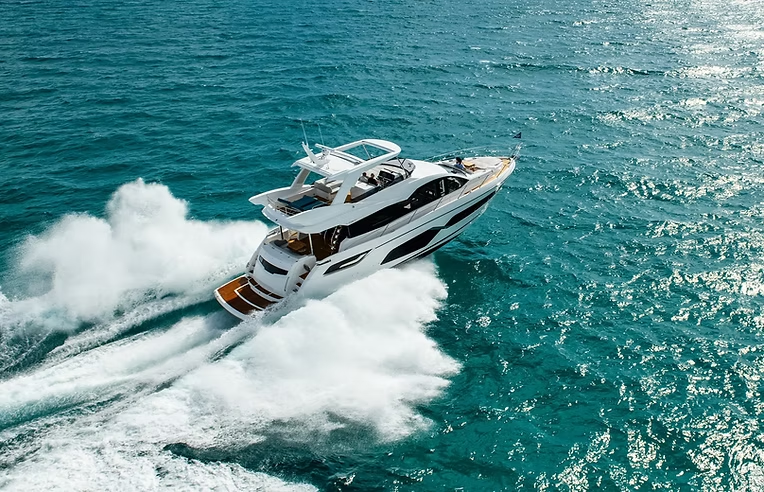
Spending several days at sea changes the way travel is experienced. Unlike a short excursion that focuses on one or two stops, a multi-day charter requires coordination, pacing, and route planning that reflect both geography and guest expectations. Travelers considering a luxury yacht charter Phuket option are often drawn by the promise of open water and secluded anchorages, but the success of the journey depends on structure rather than scenery alone. The Andaman coast offers dramatic limestone formations, calm bays, and longer cruising corridors, and understanding how to move through them over several days makes the difference between a rushed itinerary and a well-balanced one.
Charters that feel effortless are usually carefully planned behind the scenes. Distances between anchorages, tidal conditions, and seasonal weather patterns influence how far a vessel should realistically travel each day. Instead of trying to cover excessive ground, experienced crews design itineraries that prioritize time at anchor, allowing guests to enjoy the setting rather than spending extended hours underway.
Route Selection and Cruising Rhythm
The Andaman region provides multiple cruising zones, including Phang Nga Bay, the Phi Phi islands, and more remote southern stretches. While these locations may appear close on a map, cruising time varies depending on sea state and vessel speed. A multi-day plan works best when daily legs are manageable, leaving space for swimming, paddleboarding, or tender exploration without compressing the schedule.
Balancing movement and stillness is central to route design. Cruising in the early morning often provides calmer conditions, while afternoons can be reserved for anchored relaxation. Selecting protected overnight anchorages reduces vessel motion and improves onboard comfort. These decisions shape the tone of each day and prevent fatigue from accumulating over the course of the charter.
Crew Coordination and Onboard Experience
A multi-day charter relies on continuous coordination between captain, crew, and guests. Meal preparation, water activities, and shore visits must align with cruising windows and anchorage timing. Clear communication before departure allows the crew to prepare provisions and structure daily flow around guest preferences.
Onboard rhythm becomes more noticeable during extended trips. Breakfast may be served while anchored in a quiet bay, followed by a short cruise to a snorkeling location. Afternoons can transition into relaxed time on deck before sunset anchoring. When timing is managed properly, movement between activities feels natural rather than abrupt.
Marina Logistics and Operational Planning
Longer charters may involve marina stops for refueling or provisioning, especially when covering broader distances. Phuket’s marinas offer reliable facilities, but availability should be coordinated in advance. Efficient fuel management is also part of itinerary planning, particularly when remote anchorages are included.
Provisioning for several days requires careful calculation. Fresh ingredients, beverages, and specialty requests must be stocked before departure. In more isolated areas, resupply opportunities are limited, making initial planning essential. These logistical elements operate quietly in the background but contribute significantly to overall smoothness.
Activity Balance Across Several Days
The Andaman coastline supports varied experiences, from exploring caves by tender to swimming in clear anchorages. However, overloading the schedule with structured excursions can reduce enjoyment. A successful multi-day charter alternates active exploration with open time onboard, allowing guests to appreciate the environment without constant transition.
Evenings at anchor offer a different dimension of the experience. Calm water, open sky, and minimal shoreline noise create a sense of separation from land-based travel. Selecting sheltered locations for overnight stays improves comfort and ensures restful sleep before the next day’s cruise.
Planning a multi-day charter along the Andaman coast requires attention to pacing, coordination, and operational detail. When distance management, crew communication, marina logistics, and activity balance are aligned, the journey unfolds steadily over several days without feeling hurried or fragmented.
