
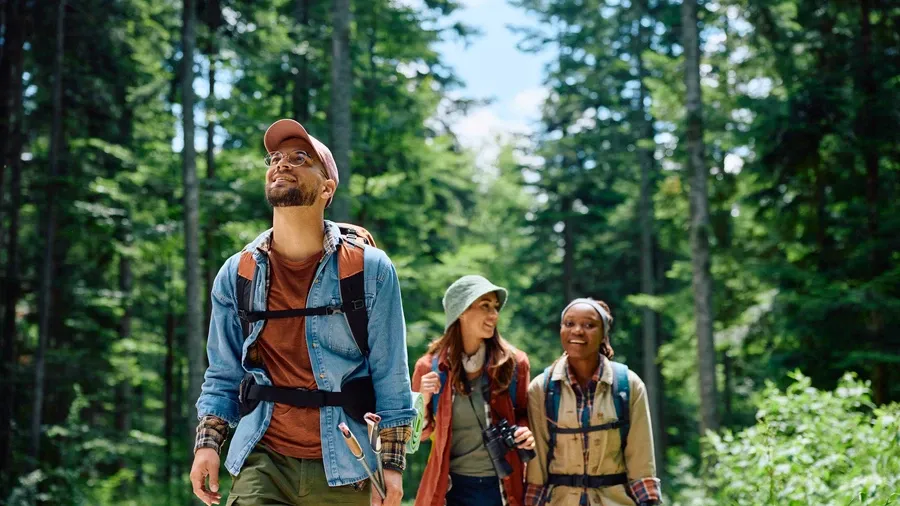
The appeal of the outdoors lies in its raw, unspoiled beauty. Quiet forests, sweeping alpine ridges, and winding desert paths offer a necessary escape from urban life. However, as outdoor recreation grows in popularity worldwide, natural spaces face unprecedented pressure. Accelerated soil erosion, trail widening, litter accumulation, and disrupted wildlife habitats are increasingly common along popular routes.
Responsible hiking is not about restricting enjoyment; it is about adopting mindful habits that preserve fragile ecosystems for future generations. By understanding the direct impact of our actions and incorporating sustainable practices into every excursion, hikers can serve as active stewards of the environment while fully enjoying the outdoors.
The Principles of Sustainable Trail Use
The foundation of responsible outdoor recreation rests on minimizing human impact. The Leave No Trace framework provides a time-tested set of guidelines designed to protect wilderness areas. Applying these principles ensures that your presence leaves nature virtually unchanged.
Plan Ahead and Prepare
Thorough preparation is essential for both personal safety and environmental preservation. Unprepared hikers are more likely to make emergency decisions that damage natural resources, such as creating unofficial campsites, straying off designated paths, or leaving trash behind during unexpected delays.
-
Research Trail Conditions: Check weather forecasts, park alerts, and trail maintenance updates before setting out.
-
Know Local Rules: Familiarize yourself with specific regional regulations regarding campfire bans, pet policies, and trash disposal requirements.
-
Match Abilities to Terrain: Choose routes that align with your fitness level to avoid making risky shortcuts on challenging terrain.
Travel and Camp on Durable Surfaces
Natural landscapes react differently to foot traffic. Concentrated movement on sensitive ground destroys plant life, compacts soil, and creates long-lasting damage.
Durable surfaces include established dirt trails, rock, gravel, dry grasses, and snow. When hiking, always stay in the middle of the designated trail, even if it is wet, muddy, or uneven. Walking around mud puddles widens the trail, destroying surrounding vegetation and accelerating erosion. When stopping to rest or setting up camp, choose established campsites or durable surfaces located at least two hundred feet away from lakes and streams.
Mitigating Soil Erosion and Trail Degradation
Trail erosion is one of the most severe threats facing public lands today. Water runoff combined with foot traffic slowly strips away topsoil, exposing tree roots and creating deep gullies. Hikers play a direct role in either mitigating or accelerating this process.
Never Cut Switchbacks
Switchbacks—zigzagging trail patterns built on steep slopes—are engineered specifically to reduce gradient, manage water runoff, and prevent soil erosion. Shortcutting switchbacks creates steep, direct channels that collect rainwater. During heavy storms, water rushes down these unofficial shortcuts, washing away tons of soil and causing catastrophic trail collapses that require extensive maintenance to repair.
Stick to the Single File Rule
When hiking in groups, it is natural to want to walk side-by-side to converse. However, spreading out across narrow paths pushes foot traffic onto the vegetation bordering the trail. Over time, this practice strips away plant cover, softens trail edges, and dramatically widens the treadway. Always walk in a single file line, stepping off the path only briefly onto durable surfaces when yielding to uphill hikers.
Proper Waste Management in the Backcountry
Disposing of waste improperly threatens water quality, damages soil chemistry, and alters wildlife behavior. Responsible hikers take total accountability for everything they bring into the wilderness.
Pack It In, Pack It Out
The simplest rule of waste management is absolute: every item brought into the woods must leave with you. This applies not only to synthetic wrappers, plastic bottles, and glass, but also to organic waste like banana peels, apple cores, and nut shells.
-
Organic Trash Misconceptions: While fruit peels are biodegradable, they can take months or even years to decompose in cold or dry environments.
-
Wildlife Conditioned Feeding: Discarded food scraps attract wild animals to trail corridors, habituating them to human food sources and disrupting their natural foraging habits.
-
Micro-Trash Vigilance: Pay close attention to small pieces of waste, such as corner tabs torn from energy gel packets, twist ties, and small tissue scraps.
Responsible Human Waste Disposal
Improper disposal of human waste contaminates local water sources and creates severe sanitation hazards for other trail users.
-
Digging a Cathole: Deposit solid human waste in a small hole dug six to eight inches deep, located at least two hundred feet—roughly seventy paces—away from water sources, trails, and campsites.
-
Covering and Disguising: Fill the cathole completely with natural soil once finished, tamping it down firmly to encourage natural decomposition.
-
Packing Out Toilet Paper: While some regions allow unbleached toilet paper to be buried in a cathole, packing it out in a sealed, opaque plastic bag is the cleanest, most environmentally sound practice.
Respecting Wildlife and Ecosystems
Encountering wild animals in their natural habitats is one of the most rewarding aspects of hiking. However, human presence should never cause stress, fear, or behavioral changes in wildlife.
Maintain Safe Distances
Always observe wild animals from a distance that permits them to continue their natural activities without interruption. Use the thumb rule: extend your arm, hold up your thumb, and close one eye. If you cannot completely cover the animal with your thumb, you are too close.
Never approach, chase, or corner wildlife for photos. Carrying binoculars or a telephoto camera lens allows you to capture detailed views without encroaching on an animal’s personal space.
Keep Wildlife Wild
Feeding wild animals—whether intentionally or through careless food storage—is dangerous to their health. Human food lacks the essential nutrients wild animals need and can cause digestive illness. Furthermore, animals that learn to associate humans with food often become aggressive, which frequently results in wildlife management agencies having to relocate or euthanize them. Secure your pack whenever you step away from it, and use bear-resistant containers in regions where they are required.
Protecting Flora and Historical Artifacts
Natural environments are living tapestries shaped over centuries. Picking wildflowers, carving into tree bark, or removing natural objects disrupts ecosystems and diminishes the experience for those who follow.
Leave What You Find
Resist the urge to collect rocks, fossils, pinecones, feathers, or plants as personal souvenirs. Take photos instead, leaving natural elements intact to support local food chains and natural decay cycles.
Similarly, historical artifacts—such as indigenous pottery shards, old cabin ruins, and historic tools found on public lands—are protected by law. Preserve these treasures in place so historians and future visitors can appreciate their cultural context.
Avoid Transporting Invasive Species
Invasive species—including aggressive weeds, fungal spores, and destructive insects—often travel into pristine wilderness areas on the soles of hiking boots, trekking pole tips, and dog paws. Clean your footwear and gear thoroughly before and after every trip, removing mud, seeds, and debris to prevent the accidental spread of invasive organisms.
Responsible Hiking Mindset and Etiquette
Trail stewardship extends to the human community. Practicing good trail etiquette fosters a welcoming, respectful environment for everyone outdoors.
-
Yielding Protocols: Hikers traveling downhill should yield the right-of-way to hikers moving uphill, as uphill travelers have a narrower field of vision and require continuous momentum.
-
Sound Management: Keep voice levels low and turn off electronic devices or use headphones. Blaring portable speakers disturbs wildlife and ruins the serene natural environment for fellow hikers seeking quiet solitude.
-
Pet Control: Keep dogs on a physical leash unless local regulations explicitly permit off-leash travel. Uncontrolled pets chase wildlife, disrupt other hikers, and accelerate soil erosion off-trail. Always bag and pack out your pet’s waste.
Frequently Asked Questions
Why should hikers stay on the trail if it is completely covered in deep mud?
Walking around mud puddles pushes foot traffic onto the delicate vegetation bordering the path. This trampling strips away plant cover, softens the soil, and significantly widens the trail treadway. Over time, this process turns narrow single-track paths into wide, eroded dirt ditches. Walking straight through the mud on durable footwear preserves surrounding plant life and keeps the trail at its intended width.
How long does it actually take for organic waste like apple cores and banana peels to decompose outdoors?
In many natural environments—especially high-altitude, arid, or cold regions—decomposition happens very slowly. An apple core can take up to two months to break down, while a banana peel can persist for up to two years. Leaving organic waste behind attracts wildlife to trail corridors, alters natural animal diets, and litters the landscape for other visitors.
What is the proper procedure for yielding on a shared multi-use trail?
When navigating shared multi-use paths, hikers generally yield to horseback riders, while mountain bikers yield to both hikers and horseback riders. However, because mountain bikes often travel at higher speeds, hikers should remain alert and step aside to a durable surface if a cyclist is approaching quickly on a steep downhill section.
Is it acceptable to build rock cairns to help guide future hikers along a trail?
Creating unauthorized rock cairns is discouraged and often illegal on managed public lands. Moving rocks disturbs small animal habitats, accelerates soil erosion, and can confuse other trail users if the rocks are placed incorrectly. Official trail cairns are built and maintained strictly by trained park rangers and trail maintenance crews for safety and navigation.
What should I do if I encounter an aggressive wild animal on the trail?
If you encounter a large or potentially dangerous wild animal, stop moving immediately and stay calm. Never run, as running can trigger a predator’s instinct to chase. Make yourself look larger by raising your arms or holding your jacket above your head, back away slowly while keeping your eyes on the animal, and speak in a firm, calm voice. Always carry defensive tools appropriate for the region, such as bear spray, and know how to operate them quickly.
How do I responsibly manage trash if there are no garbage cans at the trailhead?
If the trailhead lacks garbage facilities, place all your trash into a dedicated, sealed plastic bag inside your backpack and transport it home for disposal. Never leave trash bags sitting beside full bins or on top of parking area facilities, as wind and scavengers will quickly scatter the waste across the surrounding natural area.
What are the best ways to get involved in local trail maintenance and conservation efforts?
You can support local trail maintenance by joining regional hiking clubs, participating in organized volunteer trail workdays sponsored by organizations like the American Hiking Society or local land trusts, and reporting major trail damage, fallen trees, or erosion issues directly to local park ranger stations. Additionally, purchasing state park passes and contributing to public land non-profits provides vital funding for ongoing trail upkeep.
