
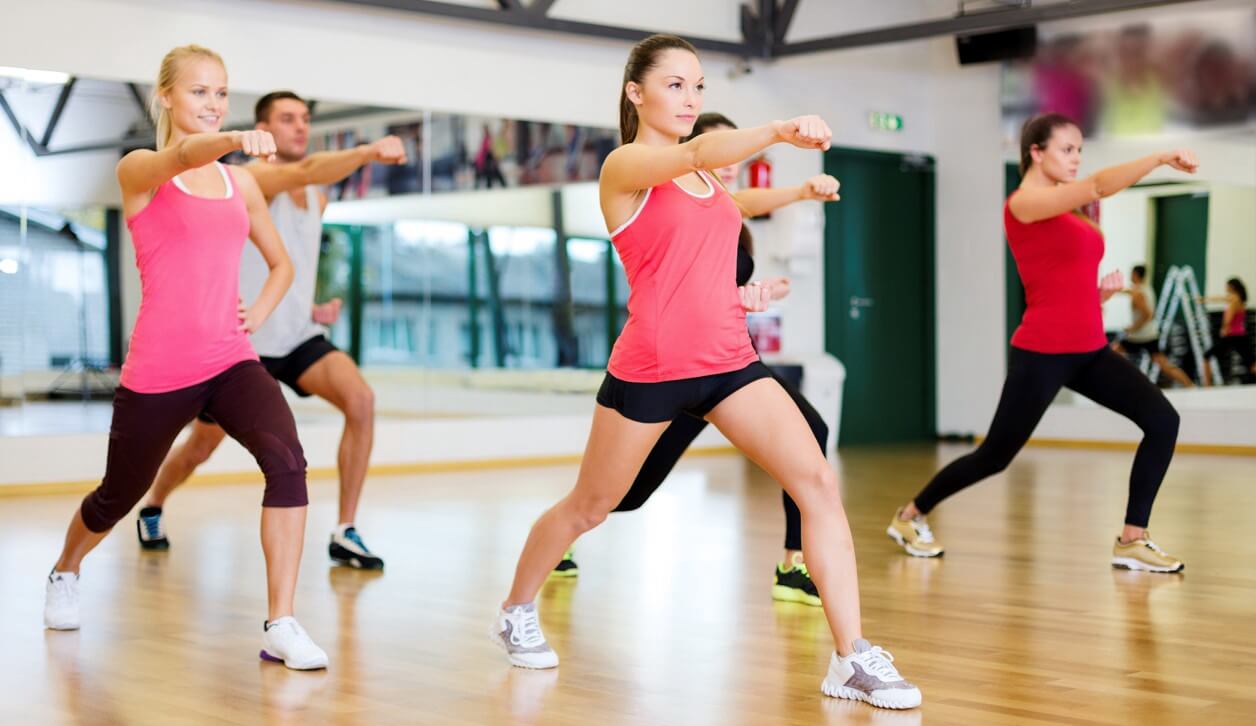
A Singapore city break can involve long walking days, rich meals, shopping, museums and late evenings. Adding a high-intensity class may sound excessive, but a well-positioned session can provide structure and an enjoyable change from sightseeing.
Travellers considering a BODYCOMBAT class should treat it as one part of the itinerary. Location, walking volume, meal timing and sleep determine whether the session adds energy or becomes an unnecessary recovery burden.
Decide What the Class Should Add
The traveller may want to maintain a familiar routine, experience a local club or balance several sedentary travel periods.
A class does not need to compensate for holiday meals or prove commitment to fitness. That mindset can encourage excessive intensity.
A more useful purpose is to create one planned training stimulus within an otherwise active trip.
Once the purpose is clear, the traveller can choose the best day and avoid stacking the session beside the most demanding sightseeing plans.
Walking Volume Counts as Physical Load
Visitors can accumulate many steps while exploring Marina Bay, heritage districts, museums and shopping areas.
Walking is lower intensity than BODYCOMBAT, but several hours on the feet still create fatigue in the calves, hips and lower back.
A class after the longest walking day may feel harder than expected. Kicks and stance changes may lose precision even when cardiovascular fitness is good.
Travellers should consider total movement rather than class duration alone.
Location Can Determine Whether the Plan Works
A convenient class near the hotel or final sightseeing stop is more likely to fit the schedule.
At True Fitness Singapore, visitors should check club access, current timetables and booking arrangements before fixing the day’s itinerary.
Travel time includes walking to the MRT, waiting, finding the club, changing and showering. A scheduled class may require a much larger diary window than its advertised duration.
Building this buffer prevents the session from making the rest of the trip feel rushed.
Heat and Humidity Affect Readiness
Singapore’s outdoor conditions can increase sweat loss before the visitor reaches the studio.
A traveller moving between outdoor attractions may arrive warm and mildly dehydrated. Entering a high-intensity class immediately can make effort feel disproportionately difficult.
The itinerary should include time to cool down, change and drink gradually.
Carrying water throughout the day is generally more comfortable than consuming a large quantity immediately before class.
Place the Session After a Reliable Night of Sleep
A late arrival or early flight may reduce sleep quality. Coordination, reaction time and perceived effort can all be affected.
The first morning after a long journey is not always the best time for fast combinations. A class after a full local night of sleep may be more enjoyable.
Similarly, a late evening session before an early departure can interfere with packing, eating and bedtime.
The best training window is often in the middle of the city break rather than at either edge.
Plan Food Around Fast Movement
A large meal shortly before BODYCOMBAT may cause discomfort during kicks, rotation and floor transitions.
Visitors do not need to avoid local food. They need to allow sufficient digestion time.
A substantial lunch can work before an evening class. A small familiar snack can bridge the gap if needed.
After class, the traveller should already know where dinner is available. Searching for food while extremely hungry can delay recovery and the evening schedule.
Use the Warm-Up as a Readiness Test
Travel plans are unpredictable. Even a carefully selected class day may follow poor sleep, unexpected walking or a delayed meal.
The warm-up provides current information. The traveller can observe balance, hip mobility and breathing.
If movement improves progressively, the planned session may remain suitable. If coordination feels unusually poor, the participant can reduce impact and range.
Changing the workout according to real readiness is better than following the itinerary rigidly.
Modify Kicks Before They Become Uncontrolled
Sightseeing fatigue may appear in the standing leg before it affects breathing.
The participant may wobble during kicks or struggle to return to stance. Lowering the kick can preserve balance and rhythm.
Jumping options can also be removed while keeping punches and grounded footwork energetic.
The class remains valuable when the movement is scaled. Holiday training should not be judged by the highest option completed.
Pack for the Whole Transition
Visitors need more than exercise clothing. The plan may require suitable shoes, a towel, toiletries and a bag for damp clothing.
Sweaty clothing should not remain sealed in luggage for the rest of the day. A separate ventilated or washable bag can help.
The traveller should also consider what they will wear after showering. Returning to sightseeing in uncomfortable clothes can reduce the practical value of the session.
Avoid Treating Exercise as Food Compensation
Singapore’s food culture is a meaningful part of the trip. Using BODYCOMBAT to “earn” or punish particular meals creates an unhelpful relationship between food and movement.
Exercise can support wellbeing and routine without cancelling anything.
A city break naturally changes normal eating and training patterns. A few days of variation do not erase established fitness.
The class should enhance the trip, not become a debt payment for enjoying it.
A Flexible Three-Level Plan Works Best
The preferred plan may be a full BODYCOMBAT class. The reduced plan may be easy gym work or a shorter session. The minimum plan may be walking and mobility.
If weather, bookings or fatigue change, the traveller still has an appropriate option.
This prevents an all-or-nothing response and keeps the itinerary enjoyable.
Frequently Asked Questions
Q: Is BODYCOMBAT too demanding during a walking holiday?
A: Not necessarily. Place it away from the longest walking day and adjust kicks or impact if the legs are fatigued.
Q: Should I attend on the day I arrive?
A: Only if you feel rested, hydrated and coordinated. A session after a full local night of sleep is often more reliable.
Q: Can tourists book a class in advance?
A: Access and booking conditions can vary. Confirm current arrangements directly before building the itinerary around a class.
Q: What should I eat before an evening class?
A: A balanced meal several hours earlier may be sufficient. Add a small familiar snack if the gap is long and hunger develops.
Q: Will one missed class affect my fitness?
A: No. A short city break does not require perfect training continuity. Walking and other daily movement also contribute to activity.
