
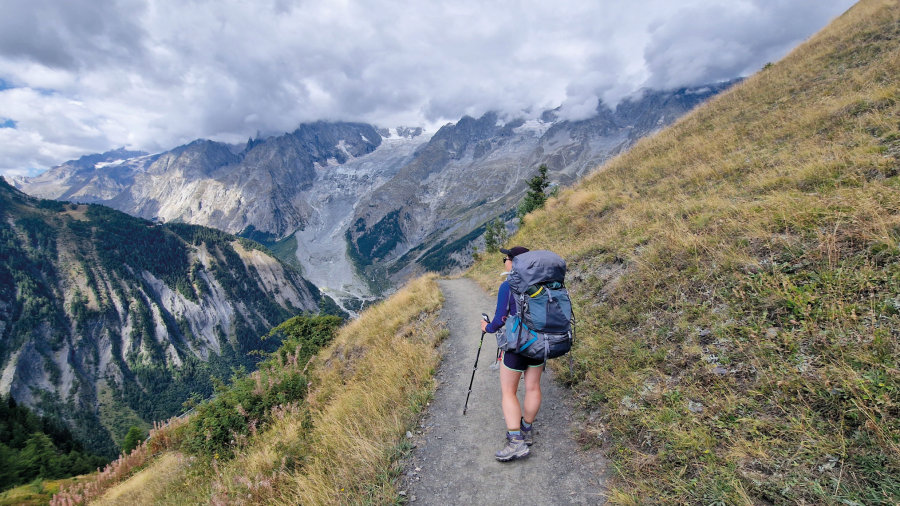
Stepping onto a trail for a multi-day hiking trip promises unmatched freedom, fresh mountain air, and a rare opportunity to disconnect from the frantic pace of everyday life. However, when you carry everything needed for survival on your back across miles of rugged terrain, inadequate preparation can quickly turn a dream expedition into a stressful, exhausting ordeal.
Planning a multi-day trek does not have to be overwhelming. By breaking down the preparation process into structured, manageable phases—route selection, physical readiness, gear management, and logistics—you can eliminate anxiety and step onto the trail with complete confidence.
Choose a Route That Matches Your Current Abilities
The foundation of a stress-free hiking trip is selecting an itinerary that aligns with your actual fitness level, technical experience, and time constraints. Overestimating your physical capacity or underestimating trail difficulty is the fastest way to invite injury and frustration.
Evaluate Distance and Elevation Gain
When researching potential routes, look beyond total mileage. A ten-mile hike over flat terrain demands far less energy than a six-mile trail that gains three thousand feet of elevation.
-
Beginner Multi-Day Treks: Target daily distances of six to eight miles with gentle elevation gains under fifteen hundred feet per day.
-
Intermediate Routes: Plan for eight to twelve miles per day with moderate climbs between fifteen hundred and three thousand feet.
-
Advanced Expeditions: Tackle twelve or more miles per day across steep gradients, high altitudes, or technical terrain.
Factor in Terrain Characteristics
Trail conditions heavily influence your daily pace. Smooth, well-maintained dirt paths allow for consistent movement, while rocky scree slopes, exposed tree roots, deep mud, or unbridged river crossings dramatically slow progress. Account for these terrain variables when calculating how many hours of walking you will complete each day.
Master Your Gear and Pack Lightly
Carrying excessive weight is the primary physical complaint among multi-day hikers. Every extra pound in your pack translates directly to increased pressure on your knees, hips, and feet over thousands of footsteps.
The Power of the Big Three
To reduce pack weight without compromising safety, focus on your three heaviest pieces of equipment: your shelter, sleeping system, and backpack itself.
-
Shelter: Opt for a lightweight two-person tent, a tarp system, or an ultralight bivouac sack. Modern lightweight shelters often weigh under three pounds while providing robust weather protection.
-
Sleeping System: Match your sleeping bag or quilt rating to anticipated nighttime temperatures, and pair it with an insulated sleeping pad to block cold ground temperatures.
-
Backpack: Select an internal-frame pack sized correctly for your torso length, offering forty to sixty liters of volume for multi-day trips.
Test Every Item Before Departure
Never take unused gear directly onto a wilderness trek. Pitch your tent in your yard during windy or wet conditions to understand its setup. Wear your hiking boots on multiple training walks to break them in, and practice lighting your camping stove until the operation becomes second nature.
Develop a Comprehensive Hydration and Nutrition Strategy
Fueling your body properly ensures high energy levels, stable mood, and effective physical recovery throughout your journey. Backcountry nutrition requires balancing high caloric density with minimal weight.
Calculate Daily Caloric Needs
Long-distance walking with a loaded pack burns significantly more calories than standard daily routines. Aim for three thousand to four thousand calories per day, focusing on foods rich in healthy fats, complex carbohydrates, and lean protein.
-
Breakfast: Dehydrated oatmeal topped with nuts, dried fruit, seeds, and powdered milk.
-
Trail Snacks: Energy bars, trail mix, nut butter packets, dried meats, and dark chocolate eaten during brief hourly rests.
-
Dinner: Lightweight freeze-dried or dehydrated meals supplemented with olive oil, instant rice, or tuna pouches for added calorie density.
Secure Reliable Water Sourcing
Dehydration leads to swift fatigue, headaches, and impaired decision-making. Research water availability along your route beforehand using updated trail maps and recent ranger reports. Always carry at least two water purification methods, such as a hollow-fiber squeeze filter paired with chemical purification tablets as a back-up option.
Establish Bulletproof Logistics and Communication Protocols
Operational logistics can feel daunting, but addressing them methodically eliminates last-minute stress before heading into the backcountry.
Permits, Parking, and Transportation
Many popular wilderness areas require advance wilderness permits or campsite reservations to limit environmental impact. Research permit reservation windows months prior to your target dates. If completing a point-to-point hike rather than a loop, arrange your shuttle transportation or secondary vehicle placement well in advance.
Emergency Communication and Navigation
Because cell phone service is rarely available in deep backcountry corridors, independent navigation and emergency signaling systems are mandatory.
-
Paper Topographic Maps: Always carry a waterproof paper map and a magnetic compass, and know how to read them without digital assistance.
-
GPS Navigation Apps: Download offline trail maps onto your smartphone, and carry a high-capacity portable power bank to keep your devices charged.
-
Satellite Messaging Devices: Carry a personal locator beacon or two-way satellite messenger capable of sending tracking updates to family and triggering emergency search-and-rescue services if a medical crisis arises.
Physical Conditioning and Mental Readiness
Preparing your body for a multi-day trek pays massive dividends once you are on the trail. Physical fitness turns an arduous struggle into an enjoyable outdoor experience.
Start conditioning at least six to eight weeks before your trip. The single best exercise for hiking is walking with a weighted backpack. Begin with fifteen pounds on short, local trails or steep neighborhood hills, gradually increasing both the pack weight and duration as your departure date approaches. Complement hiking practice with core-strengthening exercises, squats, lunges, and calf raises to build lower-body stability and joint durability.
Mentally, accept that unexpected challenges—such as sudden rainstorms, minor blisters, or tough climbs—are natural components of wilderness travel. Maintaining a flexible mindset and focusing on steady, incremental progress keeps morale high when conditions become demanding.
Essential Pre-Trip Planning Checklist
-
6 Months Out: Research potential routes, verify permit requirements, and begin physical conditioning.
-
3 Months Out: Secure wilderness permits, book shuttle services, and inventory your existing gear.
-
1 Month Out: Test all camping equipment, finalize your daily meal plan, and purchase non-perishable trail food.
-
1 Week Out: Check localized weather forecasts, review trail condition reports, and print physical topographic maps.
-
24 Hours Out: Pack your backpack, leave a detailed itinerary with a trusted emergency contact at home, and charge all electronic devices.
Frequently Asked Questions
How heavy should my backpack be for a three-to-four-day hiking trip?
A reliable rule of thumb is that your fully loaded backpack, including food, water, and fuel, should not exceed twenty percent of your ideal body weight. For a person weighing one hundred and fifty pounds, the total pack weight should ideally remain under thirty pounds for a multi-day outing.
How do I handle human waste responsibly while on a multi-day trail?
Follow Leave No Trace principles by digging a small hole six to eight inches deep at least two hundred feet away from lakes, streams, trails, and campsites. Cover and disguise the hole thoroughly when finished. Pack out all used toilet paper, wipes, and feminine hygiene products in a sealed, opaque plastic bag.
What should I do if a storm rolls in while I am hiking on an exposed ridge?
If severe weather or lightning approaches while you are on an exposed ridge or mountain pass, descend to lower elevation immediately. Avoid isolated high trees, open meadows, and tall rock structures. Seek shelter in dense stands of lower trees or low-lying valleys, sitting on your backpack to insulate your body from the ground if lightning is active in the area.
How do I protect my food from wild animals and bears at night?
In bear country, utilize approved bear-resistant canisters, specialized bear-proof bags, or perform a proper bear hang by suspending your food, trash, and scented items at least twelve feet off the ground and four feet horizontally from a tree trunk. Store your food at least two hundred feet away from your sleeping shelter.
What is the best way to prevent severe blisters on a long hike?
Preventing blisters relies on reducing friction, moisture, and heat on your feet. Wear well-fitted, broken-in hiking boots or trail runners paired with synthetic or merino wool socks that wick moisture away. Address “hot spots”—areas feeling warm or irritated—immediately by applying moleskin, athletic tape, or blister bandages before an actual blister forms.
Should I choose traditional leather hiking boots or lightweight trail running shoes?
The choice depends on personal preference, ankle strength, and trail difficulty. Trail running shoes are lightweight, breathable, and dry quickly, making them popular among ultralight hikers on well-maintained trails. Traditional leather boots offer superior ankle support, durability, and protection against sharp rocks or heavy snow when carrying substantial pack weights over rugged, off-trail terrain.
How do I manage laundry and personal hygiene on a week-long trek?
Focus on basic, functional hygiene rather than daily cleanliness. Carry a small travel pack of biodegradable wet wipes or a tiny bottle of hand sanitizer for daily cleansing. Bring one set of clothing dedicated strictly to hiking during the day, and keep a separate, clean, dry set reserved only for sleeping in your tent at night. Rinse hiking socks in water sources when needed, allowing them to dry on the outside of your pack during the day.
