
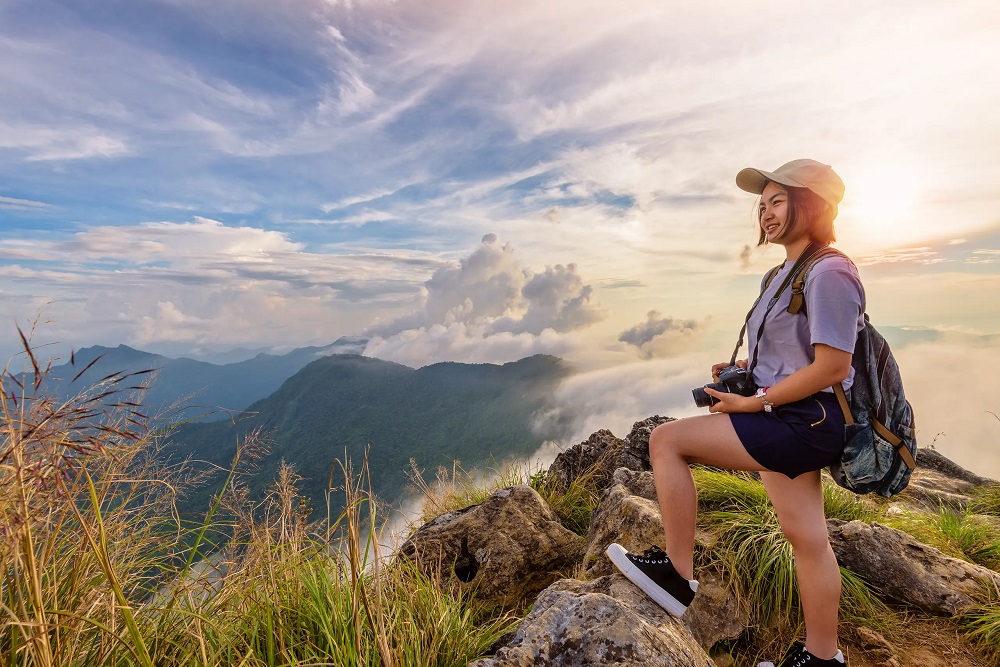
The landscape of adventure travel is undergoing a fundamental transformation. What once meant extreme physical endurance, high-risk thrills, or roughing it in the wilderness has evolved into a diverse, intentional, and tech-assisted realm of exploration. Modern travelers are no longer just seeking an adrenaline rush; they are pursuing deep cultural engagement, environmental stewardship, personal wellness, and multi-generational connection.
Driven by shifting global values, technological advancements, and a growing desire for meaningful experiences, several key trends are redefining how we plan, execute, and reflect on our journeys across the globe.
The Rise of Sustainable and Regenerative Tourism
Environmental consciousness has moved from a secondary consideration to the core decision-making factor for modern explorers. The traditional ethos of Leave No Trace is expanding into regenerative travel, an approach that aims to leave a destination in better condition than it was found.
-
Community-Led Conservation: Adventurers are increasingly opting for tours operated directly by local indigenous communities. These experiences ensure that financial benefits directly support local economies while preserving traditional ecological knowledge.
-
Carbon-Conscious Logistics: Travelers are seeking out operators that utilize low-emission transport, electric safari vehicles, solar-powered wilderness camps, and offset initiatives that fund verified local environmental projects.
-
Restoration Expeditions: Hands-on conservation travel is booming. Explorers actively participate in coral reef restoration, invasive species management, wildlife tracking for research databases, and reforestation projects during their trips.
Hyper-Personalization Through Advanced Travel Technology
Technology has dismantled the one-size-fits-all model of adventure tourism. Sophisticated digital tools allow explorers to tailor every aspect of their journey to match their specific physical abilities, skill levels, and personal interests.
Satellite communicators, real-time mapping applications, and mobile connectivity have made remote backcountry navigation safer and more accessible. Furthermore, specialized platforms leverage predictive data to help travelers avoid overcrowded trail networks, discover lesser-known geographic regions, and book niche, hyper-localized activities that align with their passions.
Soft Adventure and the Blending of Wellness
The boundary between rigorous physical challenge and restorative wellness has blurred significantly. The rise of soft adventure caters to travelers who want to engage with nature and experience moderate physical activity without sacrificing comfort or recovery.
Trekking through rugged mountain passes by day is now frequently paired with evening stays at eco-lodges offering thermal baths, mindfulness sessions, and locally sourced organic cuisine. This trend opens adventure travel to a broader demographic, including older adults, beginners, and individuals seeking a balanced retreat that nourishes both physical fitness and mental well-being.
Micro-Adventures and Accessible Outdoor Exploration
You do not need to fly across the globe or spend weeks in the wilderness to experience the excitement of exploration. Popularized as short, low-cost, and easily accessible outdoor excursions, micro-adventures have transformed how urban dwellers interact with the natural world.
-
Weekend Bikepacking: Loading gear onto a bicycle for a two-day trip along local rail-trails or gravel backroads.
-
Urban Kayaking and Paddleboarding: Navigating local river systems, harbors, and waterways right within or just outside major metropolitan areas.
-
Overnight Wilderness Camping: Heading into nearby state or national parks for a single night under the stars before returning to work the next day.
This shift encourages a mindset where adventure becomes a consistent, regular habit rather than a rare, once-a-year luxury.
Multi-Generational Family Expeditions
Adventure travel is no longer restricted to solo backpackers, young couples, or extreme athletes. Families are increasingly swapping passive beach resort vacations for active, multi-generational expeditions that bring grandparents, parents, and children together through shared experiences.
Tour operators are adapting by designing flexible itineraries that accommodate varying stamina and interest levels. While younger family members might tackle technical mountain bike trails or whitewater rapids, older relatives can enjoy guided nature walks, cultural cooking workshops, or scenic river cruises, reuniting with the group for evening meals and storytelling.
Dark Sky Tourism and Astrotourism
As light pollution continues to expand across urban and suburban corridors, the quest for truly dark night skies has sparked a growing travel trend. Astrotourism focuses on visiting remote, unpolluted regions to observe astronomical phenomena, the Milky Way, meteor showers, and the Northern or Southern Lights.
Wilderness destinations around the world are actively seeking International Dark Sky designation to protect their nocturnal ecosystems and attract night-sky enthusiasts. From night-kayaking through bioluminescent bays to stargazing treks across high-altitude deserts, dark sky adventures offer a profound, quiet connection to the cosmos.
Cold-Weather and Polar Exploration
With traditional warm-weather destinations facing rising summer temperatures and heavy crowds, travelers are shifting their focus toward cold-latitude regions. Cold-weather travel offers quiet landscapes, unique wildlife viewing, and distinct physical activities.
Excursions to polar and subpolar destinations like Norway, Greenland, Iceland, Svalbard, and Antarctica are seeing steady demand. Popular activities include glacier hiking, dog sledding, snowshoeing across untouched winter terrain, and sea kayaking alongside icebergs, providing an unforgettable sense of remoteness and wonder.
Essential Traits of the Modern Adventurer
-
Value-Driven Decision Making: Choosing destinations and companies based on environmental practices, ethical animal welfare standards, and social responsibility.
-
Skill Acquisition: Seeking trips that teach valuable outdoor capabilities, such as wilderness navigation, mountaineering, sea kayaking, or survival techniques.
-
Slow Travel Mindset: Spending more time in a single region to establish a deeper connection with the terrain and local culture rather than rushing through a long checklist of sights.
-
Adaptability: Embracing fluid itineraries that respond to changing environmental conditions, weather patterns, and local recommendations.
Frequently Asked Questions
What defines the difference between hard adventure and soft adventure travel?
Hard adventure travel involves high levels of physical risk, rigorous exertion, and technical expertise, such as high-altitude mountaineering, open-ocean solo kayaking, or extreme backcountry skiing. Soft adventure focuses on activities with low physical risk and moderate exertion that require no prior technical training, such as day hikes, wildlife safaris, leisure cycling, or cultural walking tours, typically supported by comfortable accommodations and professional guides.
How are travel operators addressing the environmental impact of long-haul flights to remote adventure spots?
Many forward-thinking adventure operators are integrating carbon removal programs, investing in sustainable aviation fuel initiatives, and encouraging longer stays to maximize the value of the transit footprint. Additionally, operators are designing comprehensive overland itineraries that utilize electric vehicles, public rail systems, or zero-emission watercraft once travelers reach their primary destination.
Can beginners participate in specialized adventure trips without prior experience?
Yes, many adventure tour companies offer introductory level trips specifically designed for beginners. These itineraries feature professional instruction, certified guides, top-quality rental equipment, and paced instruction that allows participants to learn skills like sea kayaking, rock climbing, or snowshoeing in a safe, controlled environment.
What equipment is essential for someone starting out with micro-adventures?
Starting with micro-adventures requires minimal specialized gear. A reliable multi-day backpack, sturdy hiking footwear appropriate for the terrain, a weather-resistant jacket, a basic headlamp, a reusable water purification system, and a compact first-aid kit are generally sufficient for most introductory single-day or weekend trips.
How has safety technology evolved for backcountry wilderness travelers?
Modern wilderness safety has been transformed by compact two-way satellite communicators, personal locator beacons, and offline mobile mapping applications. These devices allow travelers to check in with family, receive real-time weather warnings, track precise GPS coordinates, and signal international search and rescue operations even in areas with zero cellular service.
Why is dark sky tourism gaining popularity among outdoor enthusiasts?
Dark sky tourism has surged as light pollution masks the night sky for the majority of the world population. Experiencing true darkness provides a rare, tranquil connection to nature, allows for clear viewing of celestial events, supports nocturnal wildlife ecosystems, and encourages a slower, reflective pace of travel after sunset.
How do multi-generational adventure trips balance different physical fitness levels?
Multi-generational adventure trips balance varying physical abilities by offering tiered daily activities with flexible intensity options. Multi-guide systems allow groups to split during the day for different activity levels—such as an advanced hike for some and a gentle botanical walk for others—before regrouping for shared meals, cultural activities, and evening relaxation.
