
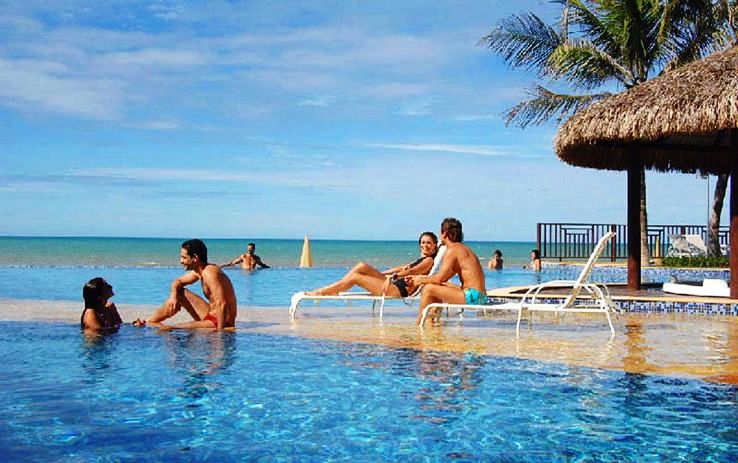
The traditional beach resort vacation often follows a familiar pattern: lounging on a reclining chair, swimming in a manicured pool, and watching the ocean from a distance. While this formula offers basic relaxation, modern travelers increasingly seek destinations that connect them directly to the natural environment, local heritage, and regional wildlife. Forward-thinking coastal properties are redefining oceanfront hospitality by replacing passive lounging with immersive, location-specific programming.
When evaluating coastal retreats, looking beyond standard pool decks and buffet lines reveals properties that offer authentic cultural access, scientific participation, culinary education, and ecological discovery. Prioritizing these unique features transforms a simple beach trip into a meaningful, transformative journey.
On-Site Marine Conservation and Citizen Science
One of the most impactful developments in luxury coastal hospitality is the integration of active marine conservation into guest programming. Rather than merely viewing local ecosystems through a glass wall or on a boat tour, visitors can work directly alongside resident marine biologists, environmental researchers, and conservationists.
-
Coral Reef Restoration Nurseries: Leading resorts across tropical zones maintain on-site coral nurseries where guests can participate in coral fragment planting. Participants attach living coral fragments to artificial reef structures, learning about marine biodiversity while directly restoring damaged marine habitats.
-
Sea Turtle Protection Initiatives: Coastal properties located near nesting grounds frequently host specialized turtle conservation programs. Guests can accompany conservation officers on late-night beach patrols to monitor nesting females, help inventory egg clutches, and assist in releasing newborn hatchlings into the ocean.
-
Marine Life Identification and Data Collection: Scientific ocean excursions invite travelers to log sightings of wild megafauna, such as manta rays, whale sharks, and sea turtles. Using underwater photography, guests upload identification data to global wildlife databases, contributing to ongoing research efforts.
Hyper-Local Culinary Journeys and Foraging Expeditions
Gastronomy at top-tier beach resorts has expanded far beyond international continental buffets. The most memorable properties use food as a primary gateway to regional culture, pairing guest dining with hands-on agricultural and coastal foraging experiences.
Guided Coastal Foraging Walk
Accompanied by resident chefs or native foragers, guests walk along tide pools, rocky coves, and coastal wetlands to gather wild sea vegetables, native herbs, edible seaweeds, and local shellfish. These walks teach participants about ancestral coastal survival techniques, seasonal ecology, and sustainable harvesting practices.
Farm-to-Table and Sea-to-Plate Workshops
After harvesting fresh ingredients from surrounding waters or on-site organic gardens, guests enter open-air instruction kitchens. Guided by local culinary masters, participants learn traditional preservation methods, seafood prep, and ancient spice pairings, converting raw, forage-sourced items into authentic regional meals.
Private Dockside Seafood Auctions
Certain boutique properties arrange exclusive early-morning access to local fishing harbors and dockside markets. Guests observe traditional seafood trade customs, help the executive chef select the catch of the day, and learn how to evaluate fresh fish quality before enjoying the customized preparation later that evening.
Nighttime Ocean Exploration and Celestial Navigation
The ocean transforms dramatically after sunset, yet standard resort amenities close down as daylight fades. Exceptional properties offer specialized nighttime excursions that showcase the mysterious nocturnal life of marine and coastal environments.
-
Bioluminescent Lagoon Kayaking: Guided night paddle tours navigate sheltered mangroves and coastal lagoons where dinoflagellates or bioluminescent organisms glow under water displacement. Paddling through glowing water creates an unforgettable, ethereal light show.
-
UV Night Snorkeling and Diving: Equipped with specialized ultraviolet flashlights and yellow mask filters, night divers observe fluorescent coral formations and hidden nocturnal creatures, such as slipper lobsters, moray eels, and hunting octopus, in vibrant neon colors.
-
Polynesian and Indigenous Celestial Navigation: Expert stargazing hosts lead evening sessions on open sand dunes or private yachts. Guests learn how ancient seafaring cultures navigated vast oceans without compasses, using star maps, wave patterns, and trade winds.
Cultural Immersion and Ancestral Heritage Workshops
A truly distinctive beach resort honors the heritage of its surrounding human communities. Properties that integrate local cultural masters into daily resort programming offer travelers a deeper, more respectful understanding of the region.
Indigenous Architecture and Artisan Crafting
Rather than displaying commercial souvenirs, forward-thinking retreats host master artisans who teach traditional weaving, wood carving, thatch roofing, or ceramic pottery using native raw materials. These workshops preserve endangered craftsmanship while offering travelers meaningful, handmade keepsakes.
Oral Storytelling and Folk Music Gatherings
Evening bonfires on the beach serve as gathering points for community elders, oral historians, and folk musicians. Sitting around the fire, guests listen to ancestral folklore, regional mythology, and historical tales, fostering authentic cross-cultural connection in an intimate setting.
Traditional Wellness and Healing Rituals
Spa menus at exceptional coastal resorts move away from generic Swedish massage in favor of indigenous healing arts. Treatments incorporate locally harvested ocean silt, wild botanical oils, volcanic stone therapies, and ancestral energy balancing techniques passed down through generations.
Non-Motorized Aquatic Adventure and Exploration
While jet skis and motorized banana boats produce noise and water pollution, non-motorized ocean sports offer peaceful, physically engaging ways to explore coastal landscapes. Resorts that curate guided eco-adventures encourage low-impact interaction with nature.
-
Sea Cave and Blowhole Kayaking: Guided sea kayak expeditions lead travelers through dramatic coastal archways, sea caves, and hidden blowholes accessible only at specific tide levels.
-
Guided Open-Water Ocean Swimming: Accompanied by safety escort boats and swim coaches, guests undertake open-water channel crossings or coastal distance swims along protected coral reefs.
-
Stand-Up Paddleboard Yoga in Mangrove Sanctuaries: Combining core balance with peaceful environmental immersion, morning paddleboard yoga sessions take place inside calm, wind-protected mangrove estuaries populated by wading birds and gentle marine life.
Key Features to Verify Before Booking an Immersive Resort Stay
To ensure a property delivers genuine experiential value rather than superficial marketing, evaluate these specific operational details prior to making reservations:
-
Resident Expert Personnel: Check if the resort employs full-time, on-site specialists, such as marine biologists, naturalists, cultural historians, or master foragers.
-
Small-Group Excursion Policies: Confirm that outdoor and cultural activities are restricted to small groups to ensure safety, intimacy, and minimal environmental impact.
-
Conservation Partner Accreditations: Verify that the resort maintains formal partnerships with local non-profit environmental groups, research universities, or indigenous councils.
-
Low-Impact Watercraft Facilities: Look for dedicated water-sports centers that emphasize non-motorized paddleboards, sea kayaks, trimarans, and hydrofoils.
-
Seasonal Wildlife Schedules: Align your travel dates with specific ecological occurrences, such as turtle nesting cycles, whale migrations, or coral spawning events.
Frequently Asked Questions
Are marine conservation programs at beach resorts suitable for young children?
Most resort marine programs offer tailored, family-friendly options designed specifically for younger guests. Children can participate in shallow-water touch tanks, turtle hatchling releases, fish identification games, and junior marine biologist workshops under expert supervision. These activities make ecological education fun, hands-on, and accessible for all age levels.
How do I know if a resort’s turtle protection or coral restoration program is ethical?
Ethical programs operate under strict guidelines approved by marine research institutions or government wildlife agencies. Legitimate operations prohibit guests from touching nesting turtles, enforce strict red-light flashlight protocols at night, limit crowd sizes, and do not handle wild animals for photo opportunities. Look for properties that publish official conservation research data and maintain recognized environmental certifications.
Do I need prior scuba diving or snorkeling experience to participate in night ocean activities?
No prior diving experience is necessary for most nighttime coastal excursions. Guided bioluminescent lagoon kayaking and shallow-water night snorkeling tours cater specifically to beginners, providing full safety gear, floatation aids, specialized lighting, and comprehensive safety briefings before entering the water.
Are coastal foraging and culinary experiences safe for travelers with severe food allergies?
Resort culinary teams customize foraging walks and cooking workshops around guest dietary restrictions. Professional guides identify and exclude potential allergens during wild harvests, and kitchen staff maintain strict sanitation standards during prep sessions to prevent cross-contamination. Always inform the property of specific allergies during booking.
What should I pack for a resort stay focused on active outdoor and ocean exploration?
Pack durable water shoes or river sandals for walking across rocky reefs, high-SPF reef-safe sunscreen, long-sleeve rash guards with UPF protection, lightweight dry bags for electronics, polarized sunglasses, and a comfortable headlamp with a red-light setting for night beach walks.
How far in advance should I book specialized resort excursions like private foraging or marine walks?
Because immersive experiences rely on specialized staff and strict small-group limits, it is best to reserve your spots two to four weeks prior to arrival. Booking ahead guarantees availability for high-demand seasonal events like turtle nesting tours or star-navigation sailings.
Do resorts charge extra fees for unique activities, or are they included in the room rate?
Activity pricing varies by property. Boutique eco-resorts and luxury all-inclusive retreats often include daily guided nature walks, cultural talks, and non-motorized water sports in their base rate. Specialized private excursions—such as charter yacht navigation, advanced scuba certification, or private chef foraging dinners—typically carry additional fees.
