
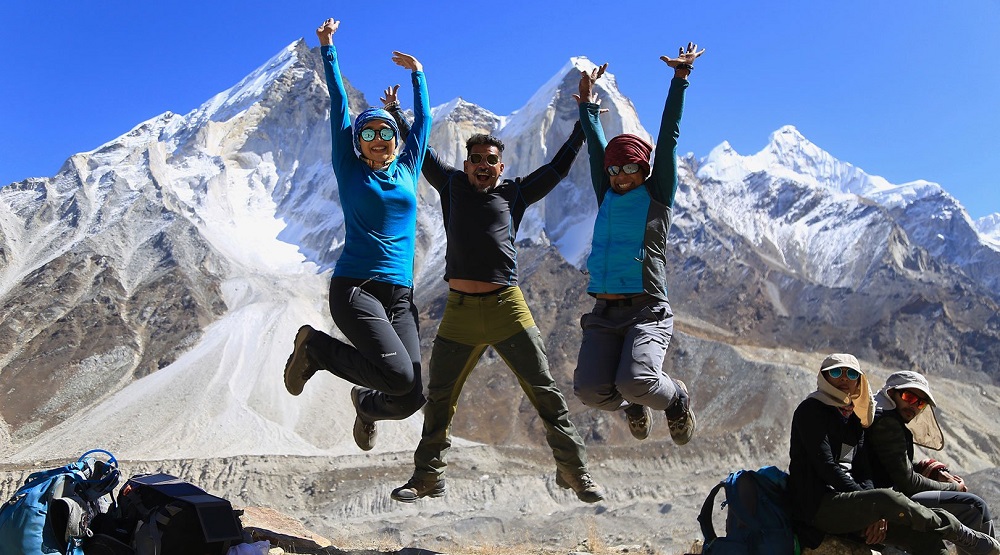
Adventure travel brings a unique sense of exhilaration. Crossing remote mountain passes, paddling through dense rainforests, diving in open oceans, or navigating unfamiliar desert terrains allows travelers to challenge their limits and experience the planet in its rawest forms. However, stepping outside the bounds of conventional tourism inherently increases risk. In remote or rugged environments, minor missteps can quickly escalate into serious, life-threatening emergencies if you are unprepared.
True adventure is not about taking reckless risks; it is about managing risk effectively so you can push your boundaries safely. Safety in the wilderness or in off-the-beaten-path regions is built on thorough preparation, keen situational awareness, and reliable decision-making. By implementing foundational safety practices, every explorer can mitigate hazards while fully embracing the thrill of discovery.
Conduct Thorough Pre-Trip Research
Comprehensive preparation is the cornerstone of any safe adventure. Before stepping onto the trail or boarding a flight, you must gather detailed intelligence about your destination, the specific activities you plan to undertake, and the local conditions you will encounter.
Understand Environmental and Weather Hazards
Weather in backcountry regions can change with extreme speed. A sunny morning on a mountain peak can transform into a freezing blizzard by mid-afternoon, and a calm desert canyon can flash flood from a storm miles away.
-
Study Historical Climate Patterns: Research average temperatures, rainfall trends, and seasonal risks like monsoons, avalanches, or extreme heat waves for your exact travel dates.
-
Monitor Real-Time Reports: Check localized weather services, avalanche bulletins, and river flow gauges right up until the moment you begin your excursion.
-
Identify Microclimates: Recognize that coastal areas, high altitudes, and deep valleys generate unique, localized weather patterns that standard regional forecasts often miss.
Evaluate Physical and Technical Demands
Accurately assessing the difficulty of a route against your current fitness and skill level is vital. Overestimating your abilities leads to exhaustion, poor decision-making, and physical injury. Research trail gradients, elevation gains, technical movement requirements, and average completion times documented by experienced adventurers.
Invest in Proper Gear and Know How to Use It
Having the right equipment is useless if you do not know how to operate it under stress. Gear serves as your primary defense against the elements, and relying on untested or low-quality equipment in harsh environments can lead to swift failure.
Master the Ten Essentials
Every outdoor adventurer, regardless of the planned duration of their trip, should carry a modernized version of the traditional Ten Essentials:
-
Navigation: Topographic maps, a magnetic compass, and a dedicated GPS device or altimeter.
-
Hydration: Ample water supplies along with a reliable purification method, such as a filtration pump, chemical treatment tablets, or ultraviolet purifier.
-
Nutrition: Extra high-calorie, non-perishable food rations to sustain you through unexpected delays.
-
Insulation and Clothing: Layered clothing systems designed to handle the worst possible weather conditions for the region.
-
Illumination: A high-lumen headlamp or flashlight with extra batteries or a portable power bank.
-
First Aid: A customized medical kit equipped for common wilderness injuries, tailored to your specific trip length and group size.
-
Fire Starter: Waterproof matches, a ferrocerium rod, or butane lighters, along with tinder or fire-starting paste.
-
Tools and Repair: A multi-tool, durable knife, duct tape, and repair cords for fixing broken equipment.
-
Emergency Shelter: A lightweight emergency bivouac sack, space blanket, or ultralight tarp.
-
Sun and Element Protection: High-SPF sunscreen, polarized sunglasses, lip balm, and protective headwear.
Test Equipment Before Departure
Never take brand-new, unused gear on a major backcountry expedition. Break in hiking boots weeks in advance to prevent severe blisters. Pitch new tents in your yard during windy conditions to understand their assembly, and practice lighting your camping stove until the process becomes second nature.
Establish Reliable Communication and Navigation Protocols
Losing your way or being unable to call for help during a medical emergency are two of the greatest hazards in adventure travel. Because cell phone towers rarely reach deep wilderness areas, independent communication backup systems are mandatory.
Satellite Communication Devices
Invest in or rent a satellite messenger or Personal Locator Beacon. Modern satellite communicators allow you to send two-way text messages, drop real-time tracking points for family at home, receive updated weather alerts, and trigger an SOS signal to international search and rescue agencies in life-threatening situations.
The Leave No Trace Itinerary Rule
Before departing, leave a precise, written itinerary with a trusted person at home or with local authorities. This document should detail:
-
Your exact starting and ending points, including trailhead names and GPS coordinates.
-
The planned route, including planned campsites or rest stops.
-
The names, contact numbers, and medical conditions of every group member.
-
The exact make, model, and license plate of any vehicle parked at the trailhead.
-
A strict hard deadline after which your contact person must notify emergency search and rescue teams if you have failed to check in.
Maintain Health and Environmental Stewardship
Staying healthy in the field requires constant attention to biological needs. Small health oversights, such as minor dehydration or an untreated hot spot on your foot, can compound into major physical problems over time.
Manage Hydration and Nutrition Consistently
Dehydration impairs cognitive function, reduces physical endurance, and accelerates both hypothermia in cold weather and heat illness in warm climates. Drink water steadily throughout the day rather than chugging large amounts infrequently. Pair hydration with steady intake of complex carbohydrates and essential electrolytes to maintain physical energy levels.
Practice Rigorous Hygiene
Gastrointestinal illness caused by contaminated water or unwashed hands can immobilize an adventurer in hours. Always treat wilderness water from streams, lakes, or wells, even if the water appears crystal clear. Wash or sanitize your hands thoroughly before handling food, and keep camp kitchen equipment meticulously clean.
Cultivate Situational Awareness and Mindset
The human element is responsible for a vast majority of wilderness accidents. Complacency, fatigue, peer pressure, and “get-there-itis”—the irrational desire to reach a destination regardless of rising risks—frequently cloud judgment.
Practice the Turning Around Mindset
Reaching a summit or finishing a trail is optional; returning home safely is mandatory. Establish clear cut-off times early in the day. If you have not reached your target milestone by a predetermined hour, turn around immediately, regardless of how close the goal appears. Listen to warning signs, such as deteriorating weather, rising river levels, or team fatigue, and step back before conditions become unmanageable.
Assess Hazards Continuously
Acknowledge that risk is dynamic. Stop periodically to evaluate changing conditions: Is the wind picking up? Is the snowpack softening under the sun? Are team members showing signs of exhaustion or irritability? Continuous hazard evaluation allows you to make proactive course corrections rather than reactive emergency decisions.
Frequently Asked Questions
What should I look for when purchasing specialized travel insurance for an adventure trip?
Standard travel insurance policies often contain exclusions for high-risk or adventure activities like mountaineering, scuba diving, off-piste skiing, or whitewater rafting. Look for a specialized adventure policy that explicitly covers your specific sports. Ensure the policy includes high coverage limits for emergency medical evacuation, helicopter rescue, and search and rescue costs, as these services can cost tens of thousands of dollars out of pocket.
How can I prepare physically for a high-altitude trek if I live at sea level?
While you cannot fully replicate thin air at sea level without specialized hypoxic tents, you can build cardiovascular endurance and leg strength. Focus on high-intensity interval training, long steady-state aerobic exercises like running or cycling, and weighted step-ups or stair climbing while wearing a backpack. Building a strong physical foundation allows your body to adapt more efficiently to reduced oxygen levels once you arrive at elevation.
What is the single most important rule to follow if I become lost in the wilderness?
The most vital rule when you realize you are lost is summarized by the acronym STOP: Stop, Think, Observe, and Plan. Stop moving immediately to avoid traveling further away from your last known location or stepping into dangerous terrain. Sit down, drink water, stay calm, and assess your situation. If you left a detailed itinerary with a contact person and carry a signaling device, staying put significantly increases your chances of a quick rescue.
How do I properly treat water in the backcountry to ensure it is safe to drink?
Effective water treatment requires eliminating bacteria, protozoa, and viruses. Physical microfilters remove bacteria and protozoa but may miss smaller viruses. Boiling water at a rolling boil for at least one minute is the most foolproof method at any elevation. Chemical treatments like chlorine dioxide tablets kill all pathogens, including viruses, but require a waiting period of up to four hours for full effectiveness against certain cysts.
What should I pack in a compact wilderness first aid kit for remote travel?
A comprehensive wilderness first aid kit should include adhesive bandages, sterile gauze pads, medical tape, moleskin or blister pads, elastic bandages for sprains, trauma shears, tweezers, and a splint. Include essential medications such as antihistamines for allergic reactions, broad-spectrum antibiotics if prescribed by a travel doctor, anti-diarrheal medication, pain relievers, and rehydration salts.
How can I safely manage wildlife encounters while exploring remote natural habitats?
Research the specific dangerous wildlife species present in your destination before you go. In bear country, carry bear spray in an easily accessible holster, make noise while walking to avoid startling animals, and store all food and scented items in bear-resistant canisters far from your sleeping area. Always maintain a respectful distance from wild animals, never turn your back or run from predators, and learn the defensive protocols specific to the species you might encounter.
What steps can solo adventure travelers take to maximize their safety?
Solo travelers must operate with a much wider safety margin because there is no partner to assist during an emergency. Always carry a two-way satellite messaging device with active tracking enabled. Limit technical risks, avoid pushing past your physical comfort zone, stay strictly on designated trails, and check in with local park rangers, hostel hosts, or family members at every major milestone along your route.
